How to Analyze User Data to Understand Your Potential Buyers
User data analysis is a powerful tool that can help businesses better understand their customers and improve their marketing and sales strategies. In this article, we will examine how you can analyze user data to understand your potential buyers and increase your sales.
1. Data Collection
The first step in user data analysis is data collection. You can collect data from various sources, such as Google Analytics, social media, contact forms, and questionnaires. This data can include information such as age, gender, location, preferences, and user behavior.
2. Understanding User Profiles
Understanding user profiles is critical for data analysis. Create detailed profiles of your users, taking into account demographic elements, psychographic elements, and behaviors. This will help you better understand who your potential buyers are and what interests them.
3. Using Analysis Tools
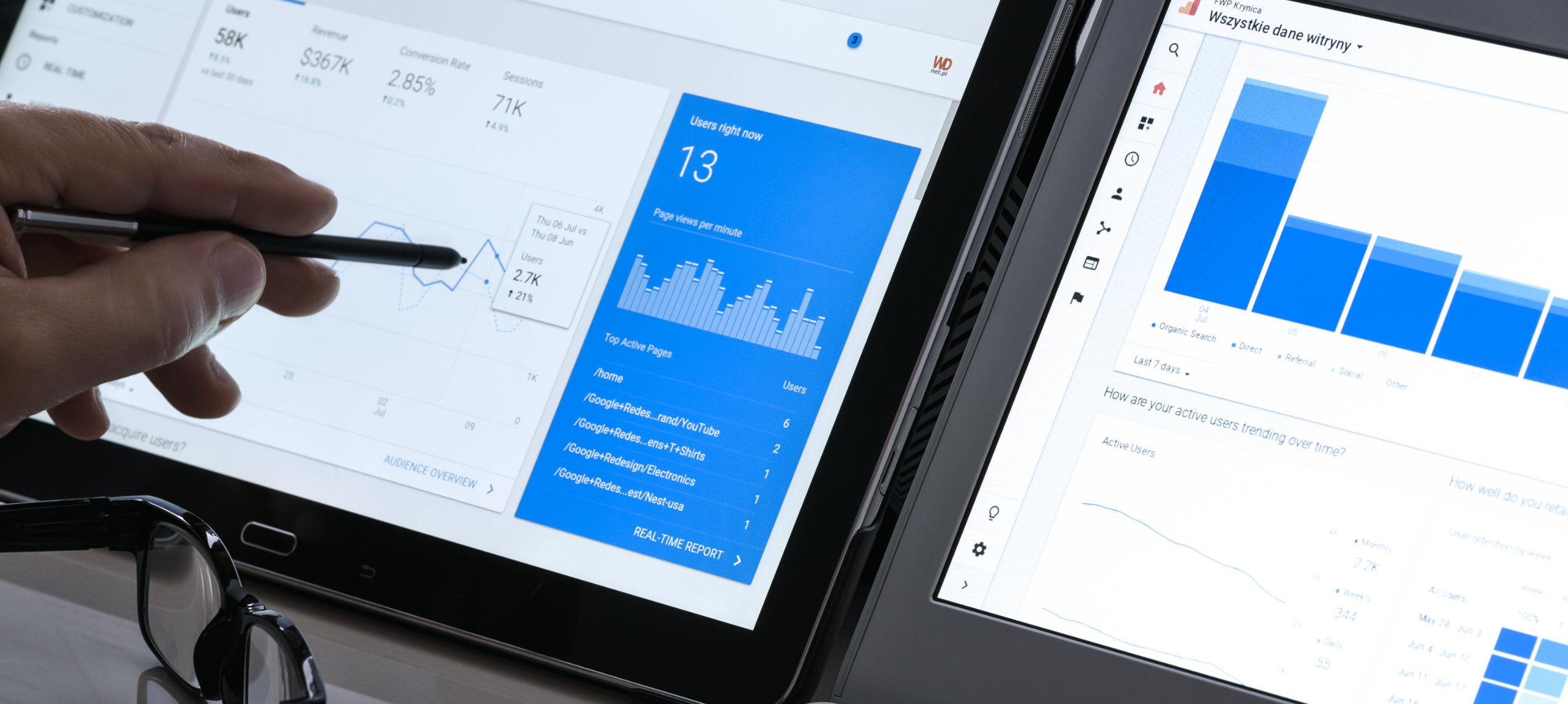
There are many analysis tools you can use to examine user data. Google Analytics is one of the most popular tools that provides valuable information about your website traffic, referral sources, user behavior, and much more. Other tools like Hotjar and Crazy Egg can offer heatmaps and session recordings to see how users interact with your website.
4. User Behavior Analysis
User behavior analysis can reveal valuable information about how users interact with your website. Analyze data such as time spent on pages, most frequently visited pages, paths they follow, and exit points. This will help you understand what works well and what needs improvement.
5. Recognizing Trends and Patterns
User data analysis can help you recognize trends and patterns. Look for repeated behaviors and preferences that can reveal what is important to your users. This information can help you adapt your marketing strategies and offer products and services that better meet your customers' needs.
6. Defining Buyer Profiles
Use the data you collected to create profiles of your ideal buyers. These profiles should include detailed descriptions of the characteristics, needs, and desires of your customers. Buyer profiles can help you better target your marketing efforts and tailor your messages to meet their expectations.
7. Adapting Marketing Strategies
Based on user data analysis and buyer profiles, you can adapt your marketing strategies to be more effective. Create personalized messages, offers, and content that meet the needs and desires of your customers. Use the communication channels your customers prefer to increase interaction and their trust.
8. Monitoring and Evaluation
Monitoring and evaluating the results of your strategies is essential for continuous improvement. Use analysis tools to track the performance of your campaigns, measure the effectiveness of your efforts, and identify areas that need improvement. This process will help you adapt your strategies and achieve better results.
9. Using A/B Testing
A/B tests are an effective way to evaluate different approaches and see which one works best. Test different versions of your pages, marketing messages, and offers to see which performs better. These tests can help you optimize your strategies and achieve better results.
10. Continuous Improvement
User data analysis and understanding potential buyers is an ongoing process. Continue collecting data, analyzing information, and adapting your strategies to meet the changing needs and preferences of your customers. Continuous improvement is the key to success in a competitive world.
In conclusion, user data analysis is essential for understanding potential buyers and improving marketing and sales strategies. Use the tools and techniques we mentioned to better understand your customers and increase your sales.
If you need help with user data analysis and understanding your potential buyers, don't hesitate to contact our company. We are here to help you fully utilize your data and achieve your goals.