How to Optimize Your Online Store's SEO: A Beginner's Guide
SEO (Search Engine Optimization) is a critical process for increasing the visibility of your online store in search engines. For beginners, it may seem complex, but with the right guidance, you can optimize your website and see substantial results. This guide will show you the basic steps to get started.

1. Choose the Right Keywords
Keywords are the foundation of SEO. You need to identify the words and phrases your customers use to find your products. Use tools such as Google Keyword Planner, Ahrefs, or SEMrush to find relevant keywords with high search volume and low competition. Include these keywords in your titles, descriptions, and website content.
2. Content Optimization
Content is king in SEO. Create quality, unique, and useful content that answers users' questions and offers value. Use the selected keywords naturally within the content, without exaggeration. Product descriptions, blog articles, and category pages should be well-written and informative.
3. Title and Meta Description Optimization
Title tags and meta descriptions are important for SEO and increasing CTR (Click-Through Rate). Titles should be short, concise, and include the main keyword. Meta descriptions should give a brief, descriptive summary of the content and encourage users to click.
4. Image Optimization
Images are essential for online stores, but they must be optimized for search engines. Use descriptive file names and alt texts that contain keywords. Reduce image sizes to improve page loading speed, as slow pages can negatively affect SEO.
5. Website Speed Improvement
Website loading speed is a critical factor for SEO. Use tools like Google PageSpeed Insights to analyze your website speed and find ways to improve. Reduce image sizes, use caching, and optimize code for faster loading.
6. Creating Quality Backlinks
Backlinks (links from other websites to yours) are important for increasing your website's authority. Pursue quality backlinks from trustworthy and relevant websites. You can achieve this through guest blogging, partnerships, and creating valuable content that others will want to link to.
7. Using SEO Tools
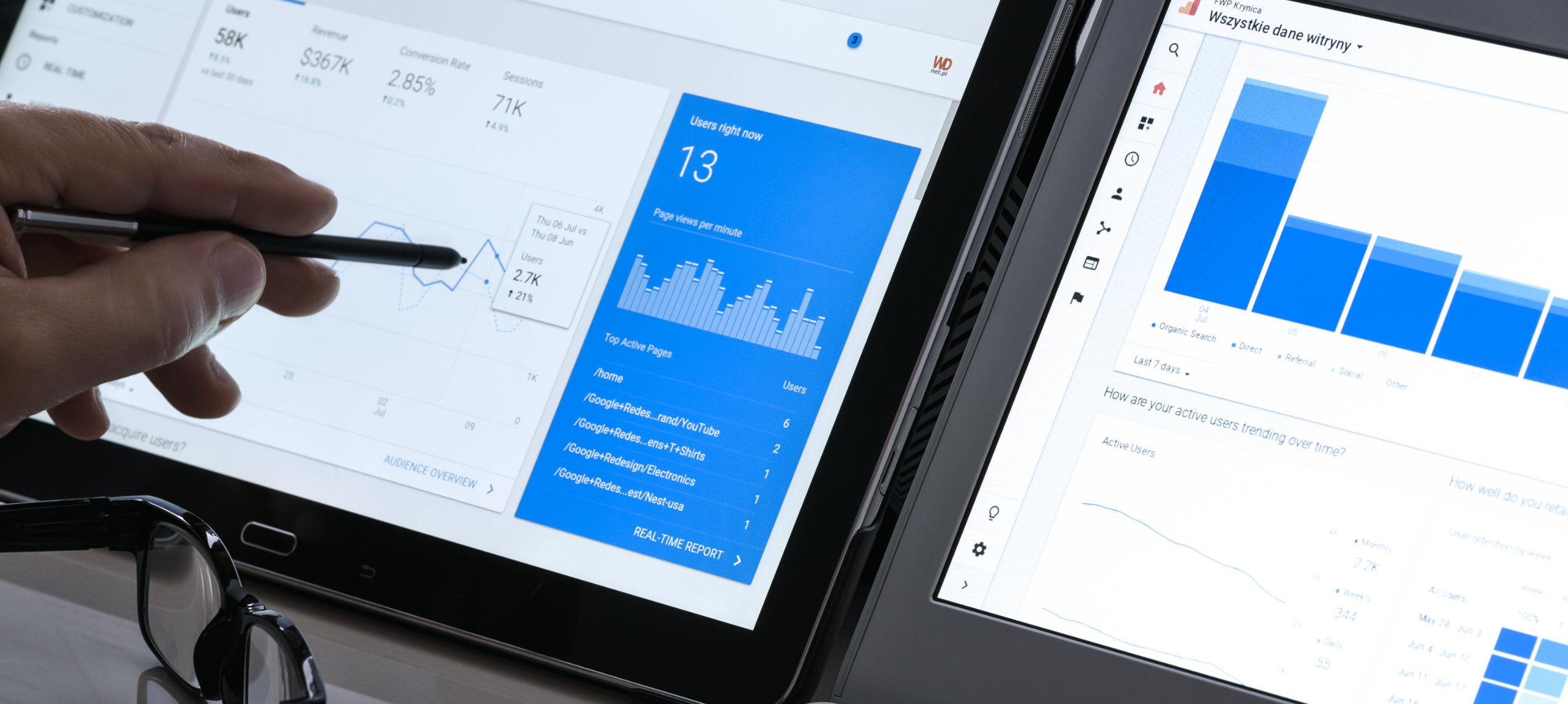
There are many tools that can help you monitor and improve your online store's SEO. Google Analytics and Google Search Console are two basic tools that provide valuable information about your website's traffic and performance. Use them to identify problems and improvement opportunities.
8. Creating a Mobile-Friendly Website
More users are making purchases via mobile devices than ever before. Your website must be fully optimized for mobile, with responsive design that adapts to all devices. Google prefers mobile-friendly websites and ranks them higher in search results.
9. Creating a Content Strategy
A blog can significantly improve your online store's SEO. Create a strategic content plan that includes articles, guides, and analyses related to your products and industry. Content should be relevant and useful for users, attracting visitors and improving your website's ranking.
10. Monitoring and Adaptation
SEO is not a static process. It requires continuous monitoring and adaptation. Use SEO tools to monitor your website's performance and adjust your strategy based on results. Keep content and practices updated according to the latest trends and search engine algorithms.
By following these steps, you can improve your online store's SEO and increase its visibility in search engines. Remember that SEO requires time and effort, but the results are worth the investment.